

Date : Apr-11-2026
- LE News Desk
Andhra Pradesh Chief Minister N. Chandrababu Naidu will launch India’s first locally developed quantum computers, named Amaravati 1S and 1Q, on April 14. This step is seen as a major move towards building India’s own quantum technology systems. Before the main event, demonstrations and technical sessions will be held from April 10. The official launch will take place on World Quantum Day.
According to officials, this project aims to strengthen India’s independence in quantum technology. It is part of the Amaravati Quantum Valley initiative, which is expected to make Andhra Pradesh an important global centre for quantum hardware. These computers could be useful in areas like defence, healthcare, cryogenics, and semiconductor production.
The systems have been developed under the Amaravati Quantum Reference Facilities and are made with more than 80% local components. They will act as testing platforms for research, certification, and development, something India did not have before.
Officials said this project marks a shift from relying on foreign technology to building systems within the country. The idea began in April 2025 and later included partnerships with companies like IBM and Tata Consultancy Services.
The programme focuses on four main areas: hardware development, software and algorithms, skill development, and research partnerships. Special importance is being given to hardware to reduce dependence on other countries.
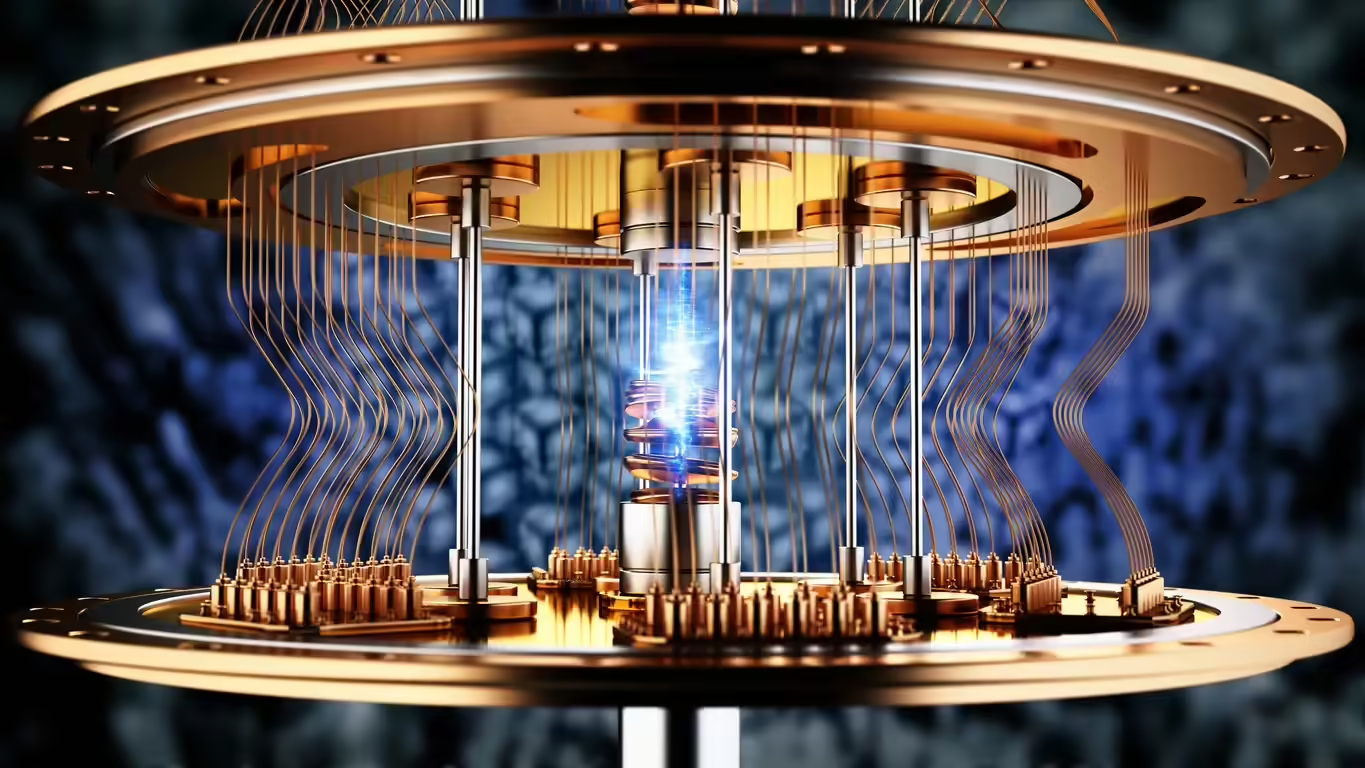
Quantum computers work at extremely low temperatures, close to minus 273°C. At this level, special units called qubits function, and all components must be tested under such conditions. India earlier did not have such testing facilities, but now two centres have been set up at SRM University and Medha Towers.
Most parts of these systems can be made in India, though some complex components like chips still require advanced technology. Unlike imported machines, which are usually restricted, these new systems will be open for students, researchers, and startups to use and experiment with.
The project is supported by major institutions such as Tata Institute of Fundamental Research, Indian Institute of Science, and Defence Research and Development Organisation.
Alongside this, large-scale training programmes have been started. Around 60,000 people have already been trained, with strong participation from women. The government plans to train 45 lakh people over the next five years, including many students and working professionals.
Officials also warned that with rapid changes in technology, especially in fields like artificial intelligence, it is important for India to keep up with quantum technology to stay competitive in the future.
source: https://m.dailyhunt.in